
Neuroscience
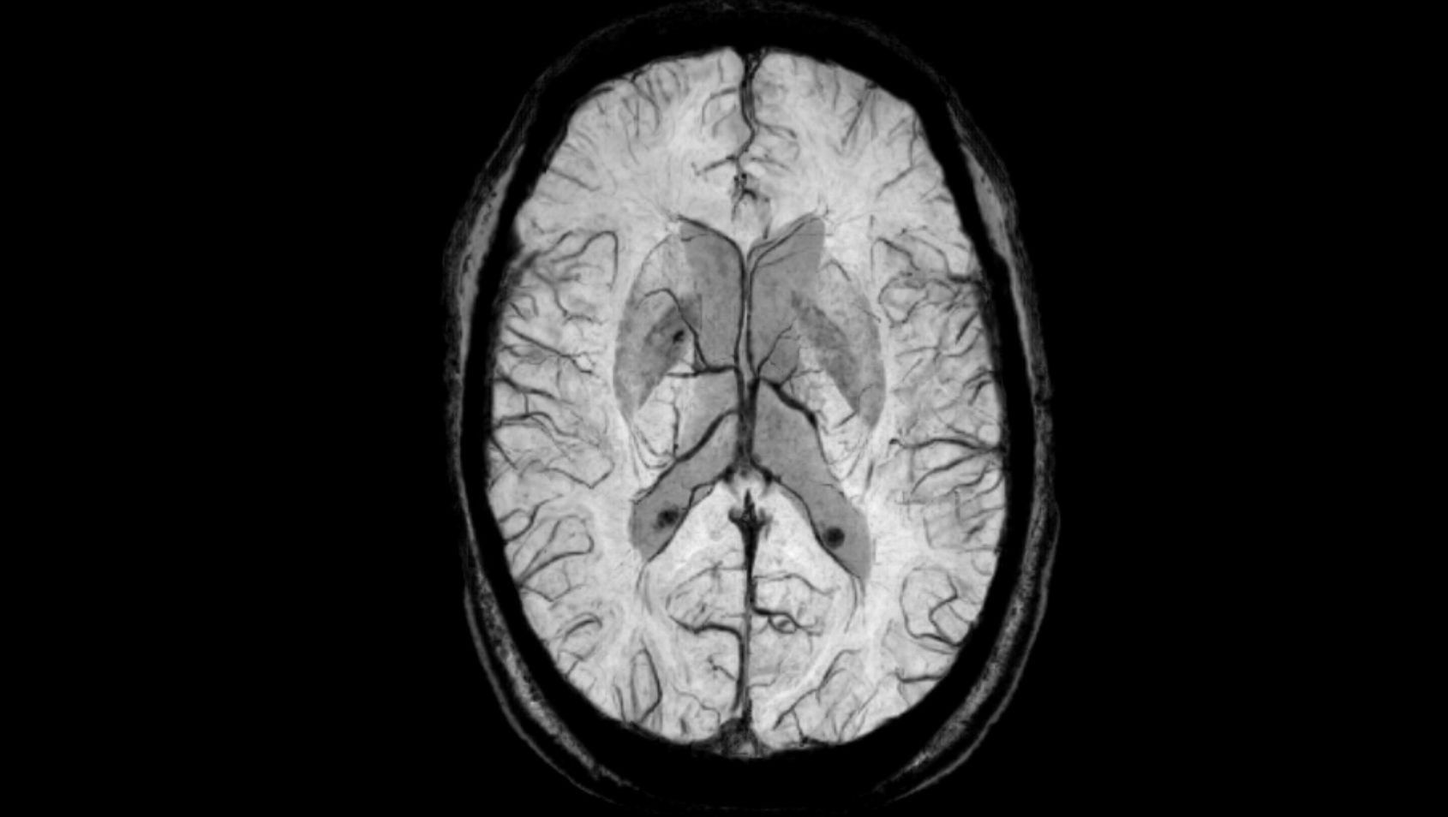
Brain Asymmetry in Left-Handed Adults
A 2023 fMRI study of 1,200 adults showing reversed planum temporale asymmetry in 71% of left-handers vs. 19% of right-handers.
◆ Lefthanded Foundation
We're building an open-access research library on left-handedness — neuroscience, genetics, history, and product design. Peer-reviewed, community-expanded, free to read.
◆ Research Tracks
Each track launches as a living document — peer-reviewed, community-expanded, and open-access. Click through to follow progress or contribute.
01
Brain lateralization, the corpus callosum, and what fMRI studies reveal about how left-handed brains process language, spatial reasoning, and emotion differently.
In Progress02
The LRRTM1 gene, twin studies, and why left-handedness runs in families but doesn't follow simple Mendelian inheritance patterns.
In Progress03
From the Latin word "sinister" to forced conversion in 20th-century schools — a documented history of bias against left-handers across cultures.
In Progress04
Why most products fail left-handers, the cost of "ambidextrous" design compromises, and case studies of products that got it right.
In Progress10%
Global Population
The roughly stable share of left-handers across cultures and centuries.
2x
Corpus Callosum
Larger on average in left-handers — enabling faster inter-hemisphere communication.
25%
Heritability
Of variance in handedness attributable to genetic factors per twin studies.
1.3x
Mood Disorders
Slightly elevated risk — but also higher creative problem-solving scores.
◆ Featured Studies
A selection of studies that have shaped our understanding of left-handedness. Each entry links to the original publication — free to read.
A 2023 fMRI study of 1,200 adults showing reversed planum temporale asymmetry in 71% of left-handers vs. 19% of right-handers.

The 2007 discovery identifying LRRTM1 on chromosome 2p12 as the first gene linked to left-handedness — transmitted paternally.

A historical survey of forced right-hand writing in European and American schools (1900-1970), including documented psychological effects.

A meta-analysis of 38 studies showing left-handers are over-represented in tennis, boxing, fencing, and baseball — and why the effect is strategic, not skill-based.

A 2021 study of 2,300 participants showing mixed-handers and left-handers score higher on divergent thinking tasks — but not convergent ones.
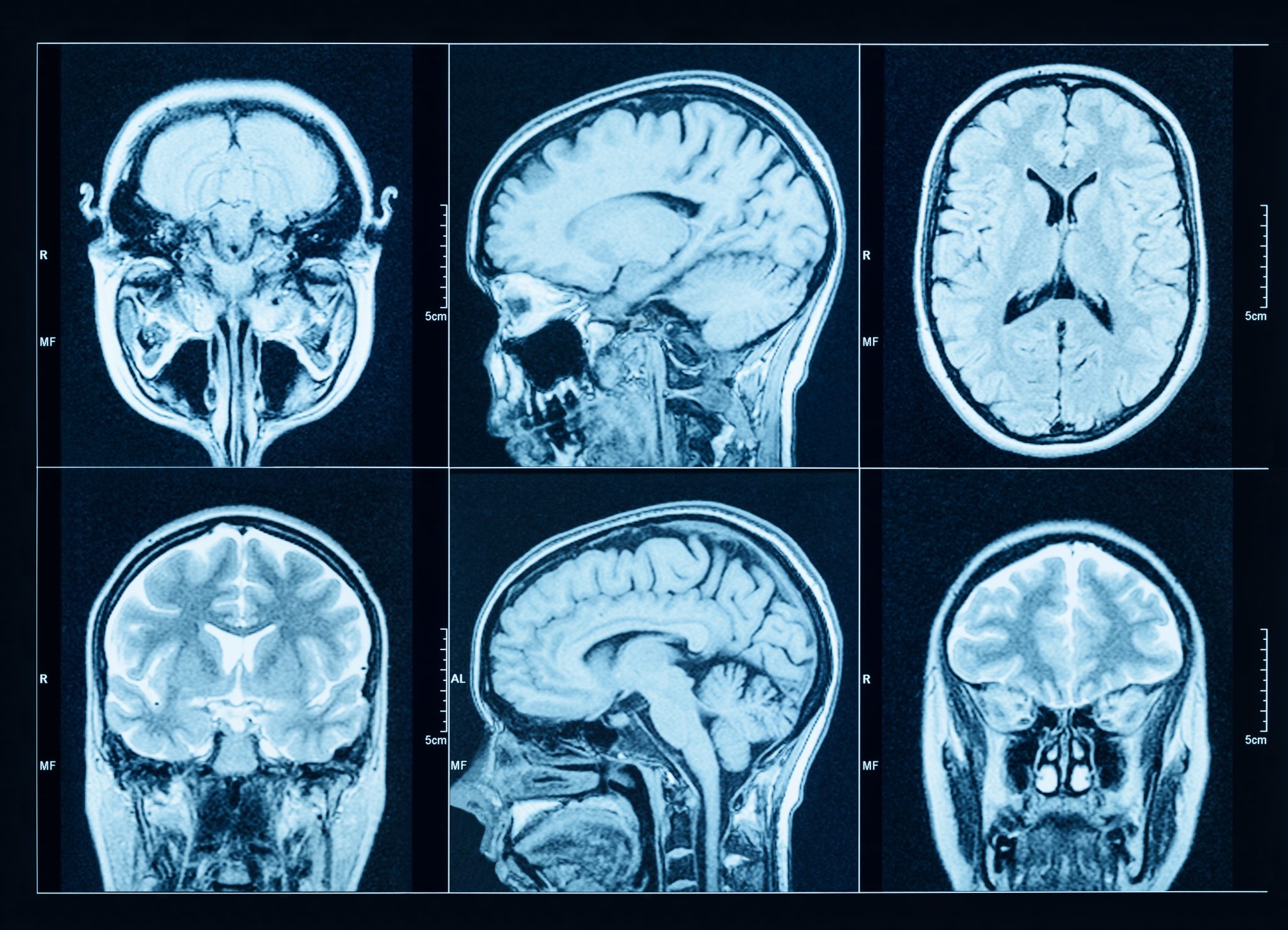
A large-scale cohort study (n=44,000) tracking the relationship between non-right-handedness and elevated rates of schizophrenia and bipolar disorder.
◆ Open Access
Subscribe to receive new research summaries, study calls, and contributor opportunities. We publish briefs — not noise — roughly once a month.
◆ End of draft — full open-access library coming soon